Housing stability is a necessity for all families — but for too many, it remains out of reach. Families with children face the highest eviction rates, and nowhere in the United States — in no state, metropolitan area, or county — can a full-time minimum-wage worker afford a modest two-bedroom rental home at fair market rent.
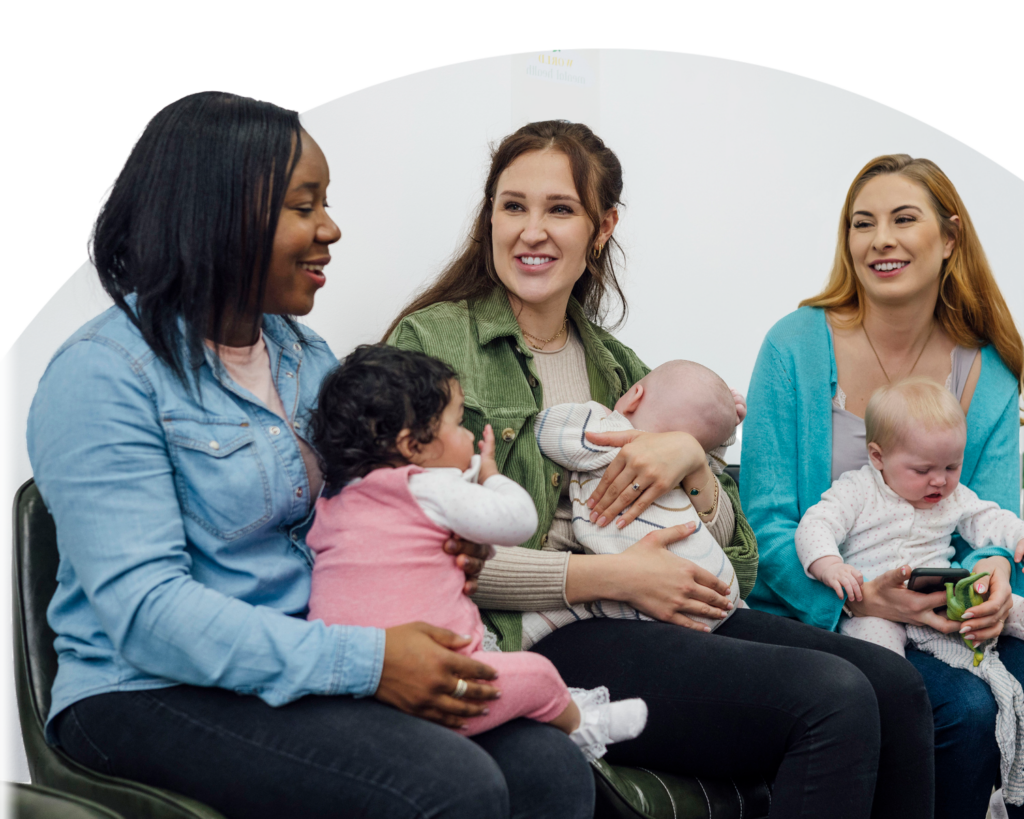
This housing crisis is even worse for young adults aging out of foster care, who are often expected to achieve immediate self-sufficiency the moment they turn 18 or 21. Among them are young mothers caring for infants and toddlers — navigating not only parenthood but also sudden independence and financial insecurity.
Founded by Dr. Carolyn Graham, a longtime social service executive, The Mary Elizabeth House in Washington, D.C., has a long history of tackling this issue. The Mary Elizabeth House was built on a deep understanding of the systematic gaps young mothers face when aging out of the foster care system. Earlier in her career, Dr. Graham met a young woman whose fear and uncertainty about navigating adulthood alone captured the emotional reality behind those policy failures.
“I felt her fear, her tears, and her unreadiness to enter the world on her own without the skills needed to live a meaningful life,” Dr. Graham recalled.
who are often expected to achieve immediate self-sufficiency the moment they turn 18 or 21.
That moment became a catalyst — not for a single act but for a sustained mission to change what transition and stability look like for young mothers and
their children.
The Mary Elizabeth House was born from the vision of advocating for young or expectant mothers and providing a place for them to realize their dreams. Dr. Graham purchased and dedicated an apartment building exclusively for this purpose — creating permanent, mission-driven housing that remains protected from lucrative real estate development offers and focused solely on supporting young mothers and their children.
— DR. CAROLYN GRAHAM
Over the years, The Mary Elizabeth House has leveraged a range of government programs designed to support young families transitioning from foster care. While often well-intentioned, many of these programs proved too restrictive or outdated, limiting the organization’s ability to respond quickly and holistically to residents’ needs or to adapt with flexibility
Recognizing this, the Bainum Family Foundation partnered with The Mary Elizabeth House to provide stable funding, enabling the organization to implement family-centered solutions. This support allowed the organization to move beyond the constraints of rigid government funding and meet families’ needs more holistically — while The Mary Elizabeth House continues to lead the work on the ground. Here are five solutions they were able to implement to be more effective in this work:
These outcomes underscore what’s possible when young mothers are trusted, supported, and empowered. Now The Mary Elizabeth House is using its data and decades of experience to advocate for housing and foster care policies that reflect humanity and unrestricted care — policies that give young families not only a roof over their heads but also a true foundation for the future.